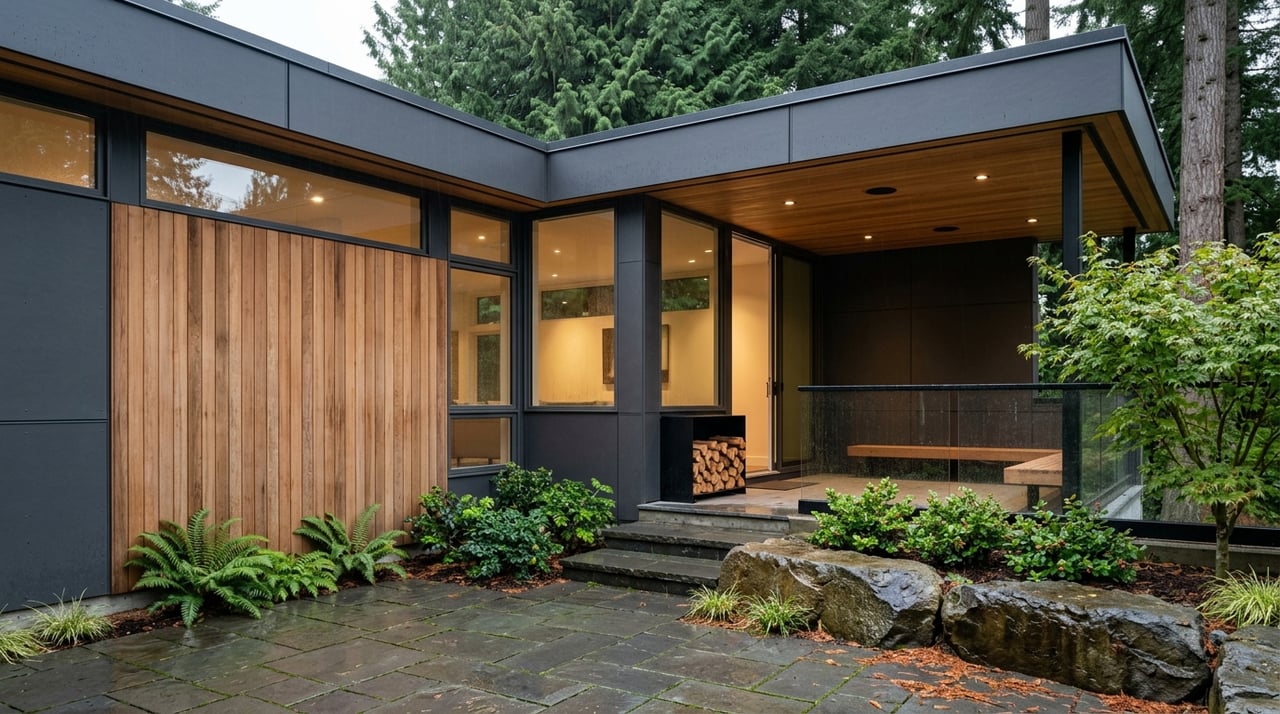
Dreaming about a second home where you can trade traffic for ferry views, shoreline walks, and easy weekend escapes? If you are thinking about buying in Anacortes or on Fidalgo Island, you are probably balancing lifestyle goals with practical questions about costs, access, and rules. The good news is that this area offers a unique mix of scenery, outdoor recreation, and in-town convenience, but the right fit depends on how you plan to use the property. Let’s dive in.
Why Anacortes Works for a Second Home
Anacortes sits on the northwest corner of Fidalgo Island in Skagit County, about 1.5 hours north of Seattle. The city describes itself as a gateway to the San Juan Islands and international ferry routes, with service from the Washington State Ferries terminal to Lopez, Shaw, Orcas, and San Juan islands. That makes it a natural choice if you want a compact coastal base that feels connected to the region.
The setting also supports a true weekend-home lifestyle. At Washington Park, you will find camping, a boat launch, a 2.2-mile loop road, and wide views toward the San Juan Islands and Olympic Mountains. The Guemes Channel Trail adds another easy way to enjoy the shoreline without needing to leave town.
If you prefer a property close to restaurants, shops, and local arts offerings, Anacortes also has a practical in-town appeal. The city highlights its shopping, dining, galleries, and overnight-stay economy as part of what supports visitors and residents alike. For many second-home buyers, that means you can enjoy a walkable home base instead of relying only on a more remote waterfront setting.
Choosing the Right Property Type
Waterfront Homes
Waterfront homes offer direct access to the scenery and shoreline that draw many buyers to Fidalgo Island in the first place. They can deliver an unmatched sense of place, but they also come with added planning and property-use considerations.
The city administers a Shoreline Master Program, and shoreline parcels fall into one of six shoreline environments: Aquatic, Natural, Conservancy, Shoreline Residential, Urban, and Urban Maritime. The city uses a permit matrix to determine whether certain uses are permitted, conditional, or prohibited. In simple terms, if a parcel touches the water, ownership is about more than the view. You will want to confirm what changes, improvements, or uses are allowed before you buy.
Waterview Homes
A waterview home can be a smart middle ground if you want the feel of coastal living without some of the added shoreline-specific complexity. You still get the visual connection to the water and the surrounding landscape, while the parcel may sit away from the immediate shoreline.
Based on the city’s shoreline framework, these homes may face fewer shoreline-specific obligations than true waterfront properties. Even so, zoning, setbacks, and parcel-specific conditions still matter. This is where careful due diligence can help you buy with confidence.
In-Town Homes
If your goal is a simple lock-and-leave second home, an in-town property may be the easiest option. These homes typically rely on standard city infrastructure and place you closer to everyday conveniences.
The city provides monthly billing for water, sewer, storm drain, refuse, recycling, organics, and fiber. When you pair that with nearby shops, restaurants, and galleries, an in-town home can make sense if you want low-friction ownership and easy access when you arrive for the weekend.
Budgeting for Carrying Costs
A second home is not just about the purchase price. Your ongoing monthly and annual costs can shape whether the property feels relaxing or stressful, so it helps to budget carefully from the start.
According to the city’s 2026 unified fee schedule, base utility costs effective 1/1/2026 include water at $28.29 for a 5/8 x 3/4 meter, sewer at $53.05, stormwater at $21.87, and refuse service starting at $13.07 for a 21-gallon tote. Recycling and organics are separate line items. Even if you use the home part-time, those baseline services still matter.
One especially important detail applies if you are comparing homes outside city limits. The same fee schedule states that properties outside city limits but served by city water are subject to a 50% surcharge on water rates. If you are weighing a fringe-island location against a home inside city limits, that one line item deserves attention.
Power and internet also matter more than many buyers expect. Puget Sound Energy provides electric service, and the city operates its own fiber network, with residential fiber plans starting at $39 per month. If you work remotely during extended stays, stream often, or want dependable service for cameras and smart-home systems, these details are worth checking early.
Property Taxes and Site Conditions
Property taxes in Skagit County are not one-size-fits-all. The county assessor values the property, and the county treasurer collects the tax. As the Washington Department of Revenue notes through its property tax overview, local levy structures can include city, school, port, hospital, library, and special district components, so exact tax bills can vary by parcel.
Site conditions also deserve a close look, especially for waterfront or lower-lying homes. FEMA flood maps identify higher-risk areas, and FEMA notes that flood insurance is available even outside high-risk zones. Flood risk depends on factors like distance to water, elevation, and rebuild cost, so it is smart to evaluate each property on its own facts rather than assumptions.
The city’s stormwater planning adds another layer of practical due diligence. Because Anacortes operates under a municipal stormwater permit and has a Fidalgo North stormwater management action plan, drainage can be a real issue on some parcels. For second-home buyers, that means the land itself can be just as important as the house.
Know the Rental Rules Before You Buy
Many second-home buyers ask the same question: can the property help offset costs when you are not using it? In Anacortes, that answer depends heavily on the type of rental use you have in mind.
The city states that a short-term rental is lodging for fewer than 30 consecutive nights, and short-term rentals are not permitted in the city. The city also states that long-term rental of 30 or more consecutive nights is allowed in all zones. If your plan depends on nightly or weekly rental income, this is one of the first rules to verify.
There are limited exceptions for some pre-existing short-term rentals with approved business licenses in certain commercial or mixed-use zones, provided they maintain a current city business license and follow local and state rules. For most buyers, though, it is safer to assume that a newly purchased home inside the city is not a short-term-rental play unless you have verified otherwise.
If your goal is occasional guest use rather than transient lodging, the rules are different. Under the city code, a bed-and-breakfast may be possible through the permit process, but the owner must live on the premises and provide off-street parking. That is a very different setup from buying a second home and renting it out for brief stays.
The city also collects a 4% lodging tax on hotels, motels, short-term rentals, and other transient lodging. If you are considering any overnight-use strategy that may be permitted, this is another reminder that use regulations should be reviewed before you write an offer.
A Smart Second-Home Checklist
Before you move forward on a second home in Anacortes or on Fidalgo Island, it helps to focus on a few practical questions that affect both lifestyle and ownership costs.
Here are some of the most important items to review before you buy:
- Is the parcel inside city limits?
- If it touches the water, what is the shoreline designation?
- Is the property located in a flood zone or an area with site drainage concerns?
- What utility providers and service areas apply to the parcel?
- How often will you realistically need ferry reservations for your lifestyle?
These details can shape what you are allowed to do with the property, what you will pay each month, and how easy the home will be to enjoy over time.
How to Buy with More Confidence
A second home should feel like an upgrade to your life, not a collection of surprises after closing. In Anacortes and across Fidalgo Island, the best purchase often comes from matching your goals to the right property type, then verifying the planning, utility, and site details that matter most.
If you are exploring waterfront, waterview, or in-town options, working with someone who knows the local nuances can make the process much smoother. From shoreline questions to utility comparisons and property-specific due diligence, Rob Skelton can help you evaluate your options and move forward with clarity.
FAQs
What makes Anacortes a good place for a second home?
- Anacortes offers ferry access, coastal scenery, outdoor recreation, and in-town amenities, all within about 1.5 hours of Seattle.
What should you know about waterfront homes in Anacortes?
- Waterfront parcels may be subject to shoreline designations and permit rules under the city’s Shoreline Master Program, so allowed uses and improvements should be confirmed early.
Are short-term rentals allowed in Anacortes?
- The city says short-term rentals of fewer than 30 consecutive nights are not permitted, while long-term rentals of 30 or more consecutive nights are allowed in all zones.
What utility costs should second-home buyers budget for in Anacortes?
- Buyers should plan for monthly water, sewer, stormwater, refuse, recycling, organics, electricity, and internet, with rates varying by service and location.
Why do flood maps matter for second homes on Fidalgo Island?
- Flood maps can help you understand site-specific risk, potential insurance needs, and other planning considerations, especially for waterfront or low-lying parcels.