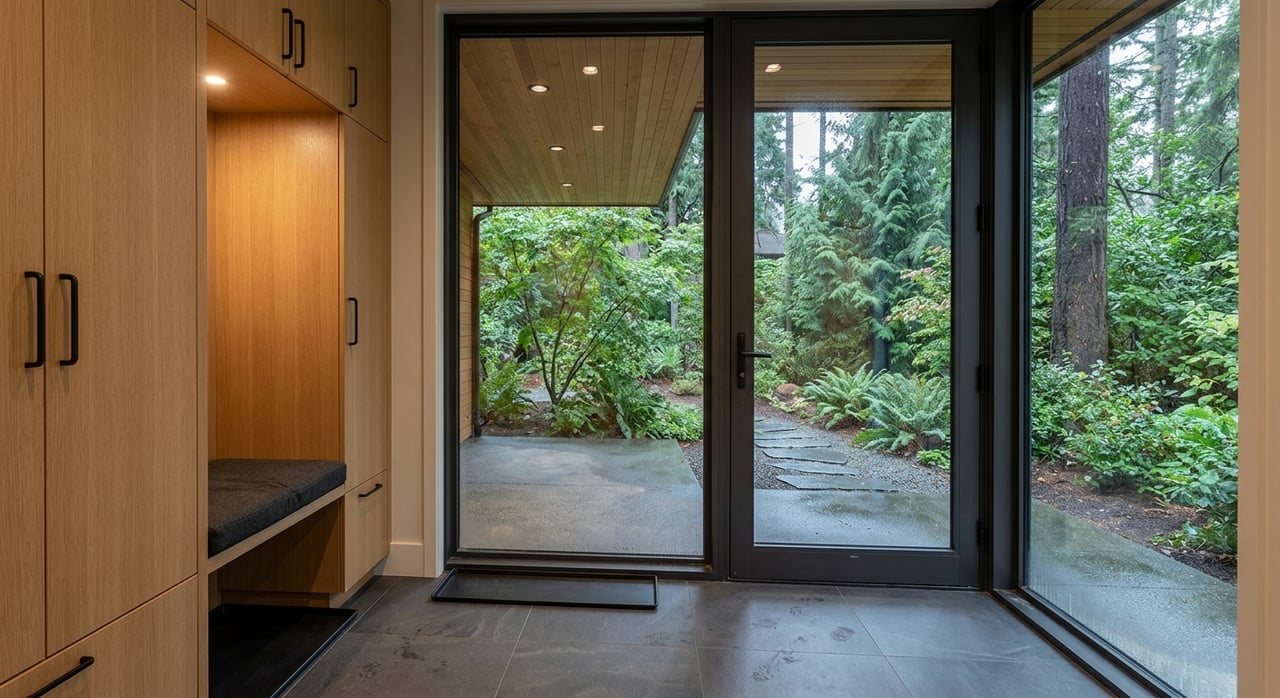
Looking for a home in Skagit County is not just about square footage or finishes. It is often about how you want to spend your Saturdays. If your ideal day includes getting out on the water, walking wooded trails, watching migrating birds, or heading east for a mountain adventure, where you live can shape how easy that lifestyle feels. That is exactly why it helps to understand how Skagit County’s outdoor identity connects to different home choices. Let’s dive in.
Why lifestyle matters in Skagit County
Skagit County naturally breaks into three broad lifestyle zones: west for water, center for farms and convenience, and east for mountains. The county stretches from Puget Sound to the Cascade Mountains, with a fertile valley in between, so your day-to-day experience can feel very different depending on where you land.
That geography also brings a real climate shift across the county. Average annual rainfall is about 26 inches in Anacortes, 32.31 inches in Mount Vernon, and 65 inches in Concrete. For you as a buyer, that can affect everything from outdoor routine to yard maintenance to how often you use decks, patios, gear storage, or mudroom space.
Anacortes fits a saltwater lifestyle
If you picture your outdoor life around marinas, ferries, and quick access to the shoreline, Anacortes stands out. ZIP code 98221 covers Anacortes on Fidalgo Island, and the city is widely recognized as Skagit County’s clearest saltwater gateway.
This is where home choice often becomes very practical. For boat-oriented buyers, the key question is usually not just whether a home looks coastal. It is whether you have easy access to moorage, launch points, ferry routes, and the kind of storage that supports life on the water.
The Port of Anacortes says Cap Sante Marina has more than 1,000 slips, which helps explain why boating plays such a strong role in how many buyers evaluate this area. A home with convenient access to the marina, waterfront, or ferry terminal may feel like a better fit than a larger home farther away if your weekends revolve around getting on the water quickly.
What boaters often prioritize
If boating is part of your routine, you may care most about:
- Distance to marina and moorage
- Easy route to public launches
- Space for gear, trailers, or equipment
- Low-hassle access for early departures or day trips
- A location that supports ferry travel and waterfront recreation
In Anacortes, these details often shape the decision as much as architecture or interior updates.
Trail access can change your daily routine
Some buyers want the outdoors built into everyday life, not just weekend plans. If that sounds like you, Anacortes has another major advantage beyond the water: the Anacortes Community Forest Lands.
The city says the forest lands cover more than 2,950 acres within city limits and include forests, wetlands, lakes, and meadows. That is a big deal if you want to leave home and quickly reach trails, open space, and quiet natural areas without planning a full day around it.
For many buyers, that kind of access changes what home feels right. You may be willing to trade a larger lot for a location that lets you walk or ride to trails more often. In that case, close-in neighborhoods near the forest lands can be especially appealing.
Trail-first home features to consider
If hiking, walking, or riding is part of your normal rhythm, look closely at:
- Direct or simple access to trail systems
- Storage for bikes, hiking gear, and outdoor clothing
- Mudroom or utility space for year-round use
- Outdoor living space for relaxing after a walk
- A location that supports frequent short outings, not just long trips
Deception Pass State Park also adds to the appeal here, with public access, boating, old-growth forest, and nearly ten miles of trails. That gives Anacortes-area buyers a mix of in-town trail convenience and nearby destination-style recreation.
Birding and wildlife viewing favor quieter edges
Skagit County is also a strong fit if your ideal outdoor life is slower and more observant. Birding and wildlife viewing are major parts of the county’s identity, especially in the western half.
The Skagit Wildlife Area covers 18,138 acres, according to Washington Department of Fish and Wildlife, and supports habitat for ducks, geese, swans, raptors, shorebirds, bald eagles, and salmon. The county also highlights winter flocks of Canada geese, snow geese, and trumpeter swans, along with year-round bald eagles.
If that is your lifestyle, your home search may look different from someone focused on boating or commuting. You may care more about quiet surroundings, proximity to estuary or wetland areas, and a setting that feels calm and connected to open land.
Areas that match a birding lifestyle
In Skagit County, buyers drawn to birding and wildlife often look toward places connected to the county’s open western landscapes. Conway is described as the gateway to Fir Island and a bird-watching paradise, while Padilla Bay Reserve also supports bird watching from trails and an observation deck.
That does not mean you need a remote property. It means the right fit may be a home that gives you easier access to those quieter edges and natural viewing areas.
Farm culture shapes valley home preferences
Skagit County’s farm identity is not just scenic. It is a core part of how the central valley feels and functions.
Washington State University Extension says the county has one of the largest and most diverse agricultural communities west of the Cascade Range, with roughly 90,000 acres in production and more than 90 crops. The county’s Farmland Legacy Program also says nearly 20% of land zoned Ag-NRL is protected from non-agricultural use.
For you as a buyer, that can translate into a very specific home preference. You may want open views, a rural feel, small acreage, hobby farm potential, or simply a home that sits comfortably near working agricultural land.
Where farm-oriented buyers often look
If you are drawn to rural parcels or farm-adjacent living, areas like Conway, Bow-Edison, and the outer Skagit Valley often make sense. These parts of the county are closely tied to the everyday landscape of farm stands, flower farms, and open fields.
This lifestyle usually comes with a different checklist than in-town living. You may focus more on lot use, privacy, outbuildings, and how the setting feels over time rather than just how close you are to shopping or commuter routes.
East county supports mountain-minded buyers
If your version of outdoor living means hiking, paddling, camping, or heading toward winter recreation, east Skagit County may be the better match. This part of the county connects more naturally to the North Cascades and broader mountain corridor.
Visit Skagit Valley describes Sedro-Woolley as the Gateway to the North Cascades. Concrete is tied to access for Rasar State Park, Baker Lake, hiking, camping, paddling, and eagle watching, which makes it a strong fit for buyers who want foothills character and easier access to bigger outdoor days.
Skiing also fits this broader east-county pattern. The Forest Service says Mt. Baker Ski Area is reached by traveling east on SR 542 to milepost 52, with skiing, snowboarding, cross-country skiing, and snowshoeing among the winter activities there.
Homes that suit a mountain-corridor lifestyle
If mountain access matters most, you may prioritize:
- Faster access to highways leading east
- More rustic or foothills settings
- Space for seasonal gear and vehicles
- Homes that work well for weekend recreation patterns
- A layout that supports indoor-outdoor transitions in wetter conditions
For these buyers, the goal is often not to live in a ski town. It is to make mountain recreation easier to weave into regular life.
La Conner offers a quieter waterfront option
Not every waterfront buyer wants the same thing. If you want water nearby but prefer a calmer pace, La Conner offers a different feel from Anacortes.
Tourism sources describe La Conner as sitting on the Swinomish Channel, where fishing boats, wildlife, and a waterfront walkway shape the town’s atmosphere. That makes it a useful option to consider if you are drawn to channel-front living and old-town charm more than marina-centered activity.
For the right buyer, this can be the difference between two good options. Anacortes may fit a more active boating lifestyle, while La Conner may better suit someone who wants the feel of waterfront living in a quieter small-town setting.
Match your home search to your outdoor identity
One of the best ways to search in Skagit County is to start with your habits, not just your housing wish list. You may be a marina person, a trail person, a birding person, a farm-road person, or someone who wants mountain day trips to be part of normal life.
Once that becomes clear, the map gets easier to read. West county tends to support saltwater and birding lifestyles, the center often fits farm-country living and regional convenience, and the east side better supports foothills and mountain access.
That kind of clarity can save you time and help you avoid buying a home that looks right on paper but does not support how you actually want to live. In a county with this much geographic variety, lifestyle fit matters.
What this means for buyers and sellers
If you are buying, it helps to think beyond the house itself. A home’s value to you may come from trail proximity, marina logistics, open land nearby, or easier access to your favorite recreation areas.
If you are selling, those same lifestyle factors can shape how your property should be positioned. A home in Anacortes may resonate most with buyers focused on boating or trail access, while a valley or foothills property may stand out for acreage, privacy, or mountain proximity.
That is where local insight makes a difference. When you understand how buyers connect outdoor habits to location, you can search smarter, prepare better, and make more confident decisions.
If you want help finding the right lifestyle fit in Anacortes or anywhere in greater Skagit County, Rob Skelton can help you evaluate location, property features, and market positioning with a local, hands-on approach.
FAQs
How does Anacortes fit an outdoor lifestyle in Skagit County?
- Anacortes is Skagit County’s clearest saltwater gateway, with strong access to marinas, ferries, boating, and the Anacortes Community Forest Lands for close-in trail use.
What kinds of buyers are best matched to east Skagit County?
- Buyers who want easier access to the North Cascades, foothills recreation, Baker Lake, camping, paddling, hiking, and mountain day trips often find east-county areas like Sedro-Woolley and Concrete more appealing.
Why do boaters choose homes based on location in Anacortes?
- Boat-oriented buyers often focus on marina proximity, moorage, launches, and storage logistics because those factors affect how easy it is to use the water regularly.
Which Skagit County areas fit rural and farm-oriented living?
- Conway, Bow-Edison, and parts of the outer Skagit Valley are natural areas to explore if you want open land, rural character, small acreage, or a home near working agricultural landscapes.
Is La Conner different from Anacortes for waterfront buyers?
- Yes. La Conner tends to suit buyers who want a quieter channel-front setting and small-town waterfront charm, while Anacortes is more closely tied to marinas, ferry access, and a boat-centered coastal pace.
How should you start a home search in Skagit County?
- A smart first step is to identify your outdoor priorities, such as boating, trails, birding, farm living, or mountain access, then focus on the parts of the county that best support those routines.