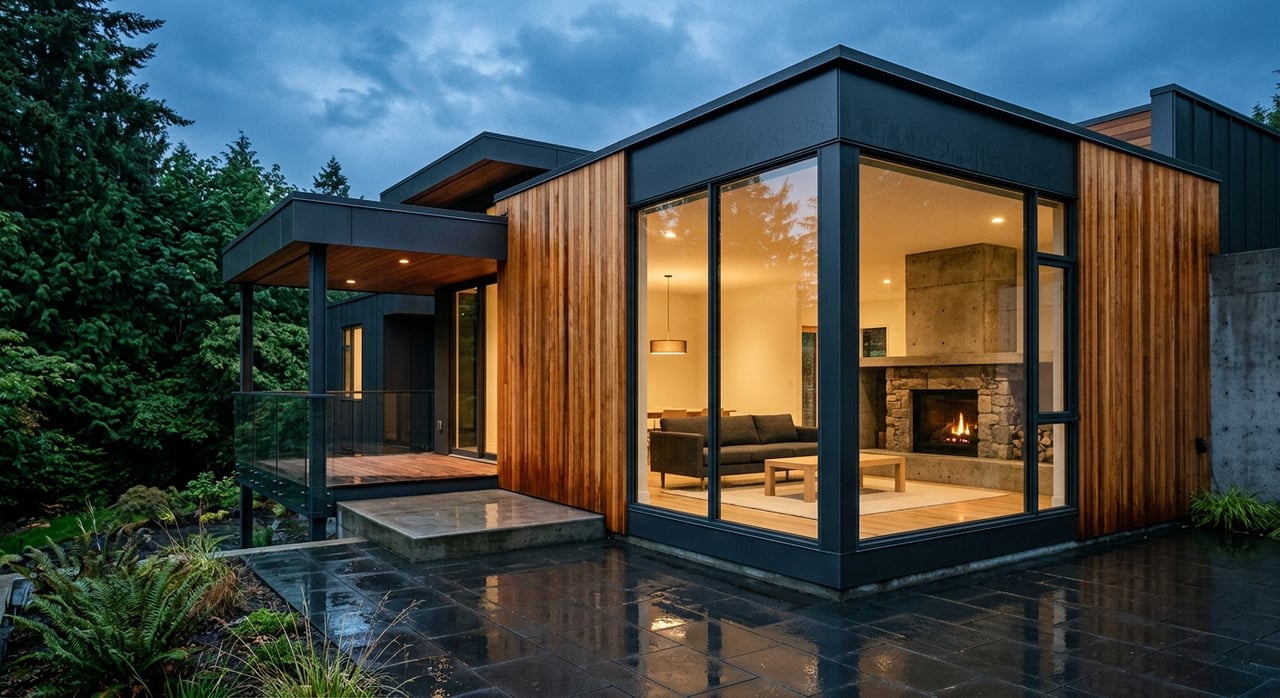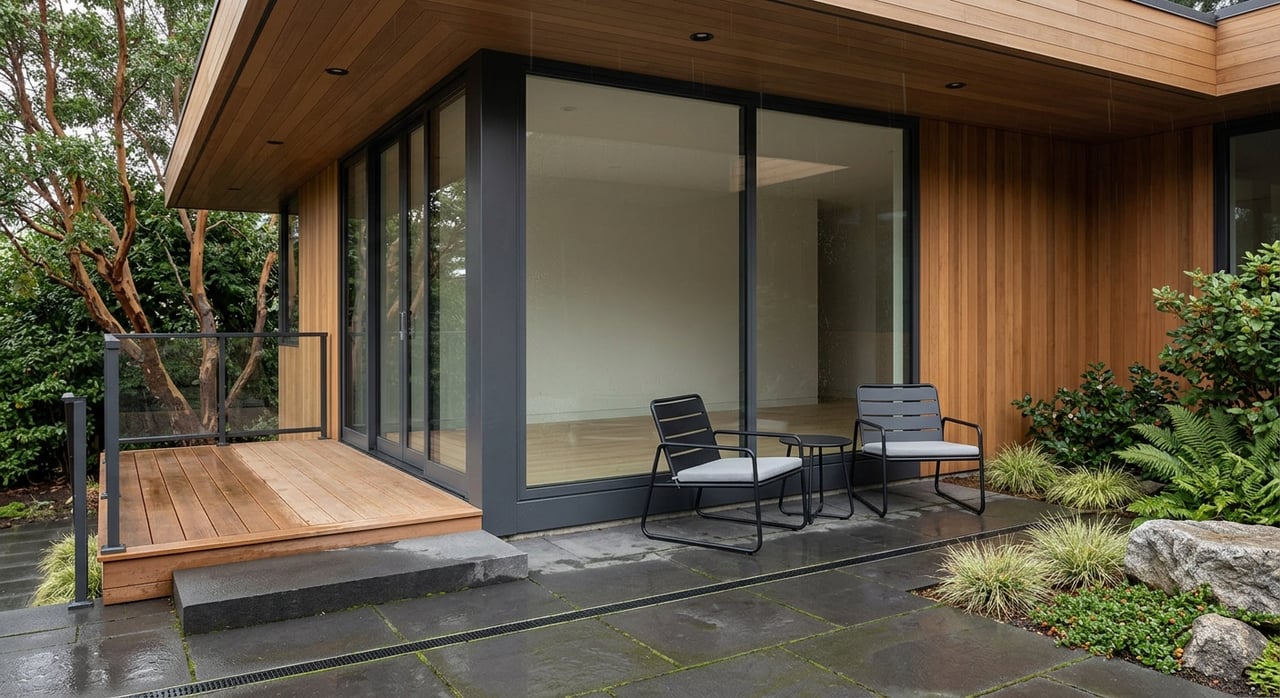
A great view can stop you in your tracks. In Anacortes, it can also hide some of the most important questions you should ask before you buy. If you are considering a hillside or view home here, it helps to look beyond the water, sunset, or bluff line and focus on how the property actually functions year-round. Let’s dive in.
Why hillside homes need a closer look
In Anacortes, view properties often come with more than scenery. The city includes everything from flatter downtown areas to steep hillside terrain, with some areas near Heart Lake and Little Cranberry Lake reaching very steep slopes. That means a home with a strong view may also be a property shaped by drainage, slope conditions, and access.
This matters because the long-term experience of owning the home is not just about what you see from the deck. It is also about how the lot handles rain, runoff, winter weather, and ongoing site maintenance. A beautiful setting is only part of the picture.
Anacortes conditions shape the property
Anacortes sits on the north shore of Fidalgo Island, with shoreline neighborhoods, Mount Erie, and thousands of acres of city-owned forestlands nearby. That mix creates the coastal, elevated feel many buyers want, but it also brings site-specific concerns that deserve attention.
Skagit County reports that the Anacortes area gets about 26 inches of rain annually. City and state materials also note that heavy or prolonged rain, rapid snowmelt, changed runoff patterns, and wave erosion below bluffs can all contribute to landslide or erosion risk. The city’s climate risk work also identifies sea-level rise, extreme precipitation, and landslides as relevant risks in Anacortes.
View quality is only one factor
Most buyers start with the obvious question: does the home capture the right view? In Anacortes, a better follow-up question is whether that view corridor is practical and sustainable over time. The answer may depend on terrain, vegetation, shoreline rules, and what work is allowed on the lot.
The City of Anacortes Shoreline Master Program typically applies within 200 feet of a shoreline. It regulates things like clearing, grading, vegetation removal, and shoreline stabilization, and it notes that high marine bluffs are the most visible geologically hazardous shoreline feature. In simple terms, what you can preserve, trim, or improve may be limited by more than your preferences.
Access matters more than you think
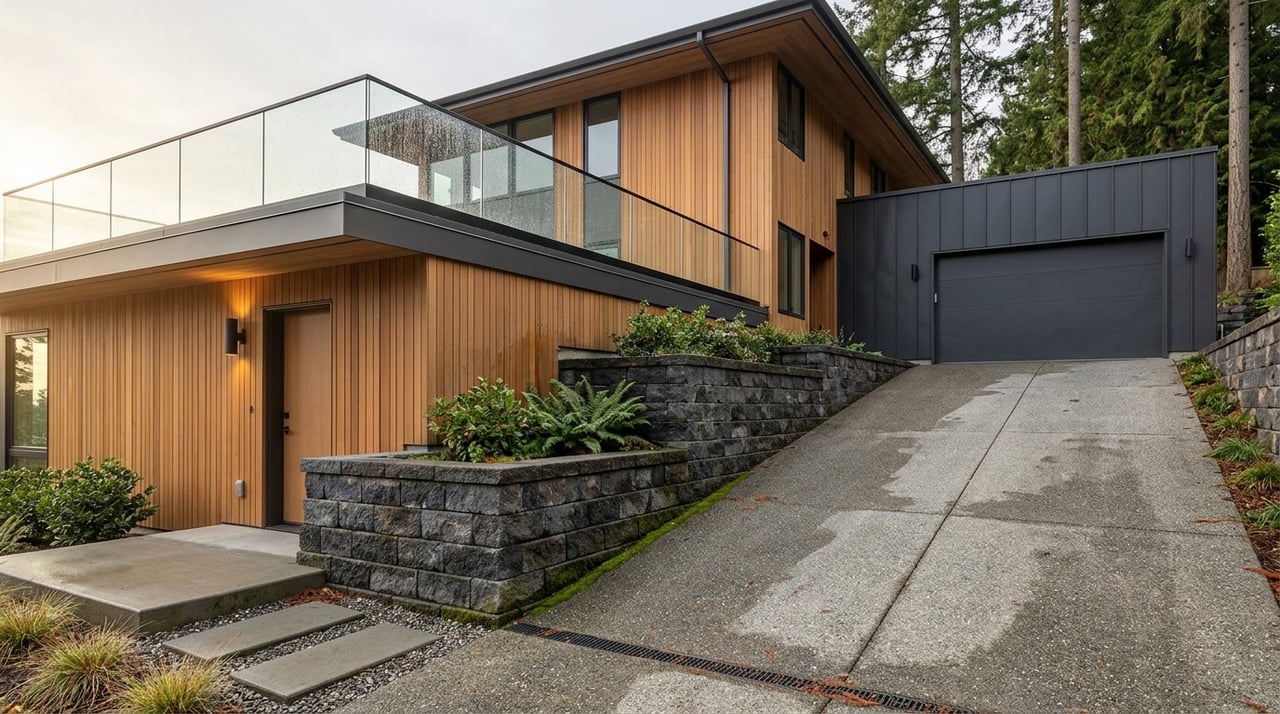
A steep driveway can feel manageable on a sunny day. It can feel very different during the wet season or on an icy winter morning. That is why access should be part of your showing-day checklist.
The City of Anacortes says snow and ice response prioritizes main arterial streets, collector streets, and school zones before hilly residential streets. The city also notes that plows can block driveways. If you are looking at a hillside home, ask yourself how easy it is to get in and out, where guests can park, and whether emergency access seems straightforward.
Drainage is a top priority
If there is one issue that deserves extra attention on a hillside lot, it is water. Roof runoff, driveway runoff, and yard drainage can all affect slope conditions over time. On a property where water naturally wants to move downhill, even small drainage problems can become larger site issues.
Washington Ecology says landslides are often triggered by heavy rainfall or rapid snowmelt. It also warns that coastal landslide risk increases when runoff from roofs, driveways, and yards is allowed to concentrate on slopes. That is why routing water away from steep slopes and maintaining drainage systems is so important.
Slope stability is part of ownership
Slope movement is not always dramatic or obvious at first. Washington DNR notes that even a few inches of movement can crack foundations and disrupt sewer and water lines. Quiet conditions today do not always mean the site has never had an issue, especially after periods of rainfall, erosion, or human disturbance.
For you as a buyer, that means site behavior matters as much as interior finishes. A renovated kitchen is nice, but it should not distract from questions about retaining walls, drainage corrections, past repairs, or soil movement. On these properties, the land is part of the home’s condition.
Warning signs to watch for
When you tour an Anacortes hillside or bluff property, keep an eye out for signs that may point to drainage or slope concerns. You are not trying to diagnose the site yourself, but you do want to notice anything that deserves a closer look.
Some common warning signs mentioned by Washington DNR and Ecology include:
- Cracks in walls, floors, or soil
- Doors or windows that no longer close cleanly
- Water seepage around lower levels or foundations
- Wet ground where it should be dry
- Tilted trees or shifting landscape features
- Bulging retaining walls
- Broken utility lines
- Visible separation between surfaces and foundations
One issue on its own does not always mean a major problem. Still, these are useful clues that can help you decide what questions to ask next.
Landscaping is not just cosmetic
On a flat lot, landscaping is often mostly about appearance and upkeep. On a hillside lot, it can also affect erosion control and runoff. That makes plantings, slope disturbance, and ground cover more important than many buyers expect.
State guidance emphasizes preserving natural vegetation on steep slopes and minimizing disturbance. Ecology also notes that simple hydroseeding may be ineffective on steep slopes, while the city’s stormwater materials stress that runoff and sediment can flow directly to nearby creeks, Fidalgo Bay, and the Salish Sea without treatment. In other words, landscaping choices can affect both property stability and downstream water quality.
Permits and records deserve attention
Before you make an offer on a view or hillside home, spend time on the property’s paper trail. The most useful records often involve site work rather than cosmetic updates. You want to understand what has been built, changed, repaired, or approved.
A strong due-diligence review may include checking:
- Permit history for retaining walls, grading, drainage work, decks, and shoreline improvements
- Whether the lot is within shoreline jurisdiction
- Whether the parcel is affected by critical area regulations
- Whether any geotechnical or drainage reports exist
- Whether the parcel is in a FEMA Special Flood Hazard Area
- How roof runoff, downspouts, and yard drainage are managed
The City of Anacortes says retaining walls 4 feet or less without unbalanced backfill or surcharge are generally permit-exempt, but permits are commonly required near steep slopes, shorelines, or other critical areas. That is why it helps to verify, not assume.
Smart questions before you buy
The best questions for an Anacortes view home usually go beyond layout and finishes. You want to know how the property performs in real conditions, not just how it photographs. This is especially true in neighborhoods where elevation, bluff exposure, or shoreline proximity are part of the appeal.
Here are a few smart questions to ask:
- Where does water go during heavy rain?
- Has the property had drainage work or slope repairs?
- Are there records for retaining walls, grading, or shoreline improvements?
- Has the owner noticed seepage, movement, or recurring runoff issues?
- What is access like during snow or ice?
- Is there guest parking that works on a steep site?
- Are there any geotechnical reports or specialist evaluations on file?
These questions can help you separate a simply scenic property from one that is also practical to own.
Why local guidance helps
Hillside and view homes in Anacortes can be some of the area’s most rewarding properties. They can also require a more careful reading of the lot, not just the house. When you understand drainage, access, shoreline rules, and slope conditions early, you put yourself in a much better position to buy with confidence.
That is where local experience can make a real difference. If you are comparing view properties, evaluating hillside lots, or preparing to sell a home with these features, Rob Skelton can help you look past the obvious and focus on what matters most.
FAQs
What should you check first on an Anacortes hillside home?
- Start with drainage, slope conditions, driveway access, and any visible signs of movement or seepage before focusing on cosmetic features.
What drainage issues matter most for Anacortes view properties?
- Roof runoff, downspouts, driveway runoff, and yard drainage matter most because concentrated water can increase erosion and slope risk.
What permits should you review for an Anacortes view home?
- Review permits and records for retaining walls, grading, drainage work, decks, and shoreline-related improvements.
What shoreline rules can affect an Anacortes bluff or view lot?
- The City of Anacortes says shoreline rules typically apply within 200 feet of a shoreline and may affect clearing, grading, vegetation removal, and stabilization work.
What are warning signs of slope movement on an Anacortes property?
- Watch for cracks, bulging retaining walls, tilted trees, water seepage, broken utility lines, and doors or windows that no longer close properly.
What winter access questions should you ask about an Anacortes hillside home?
- Ask how the driveway handles wet and icy conditions, whether turning and parking are easy, and how access works when hilly residential streets are not the first priority for snow response.