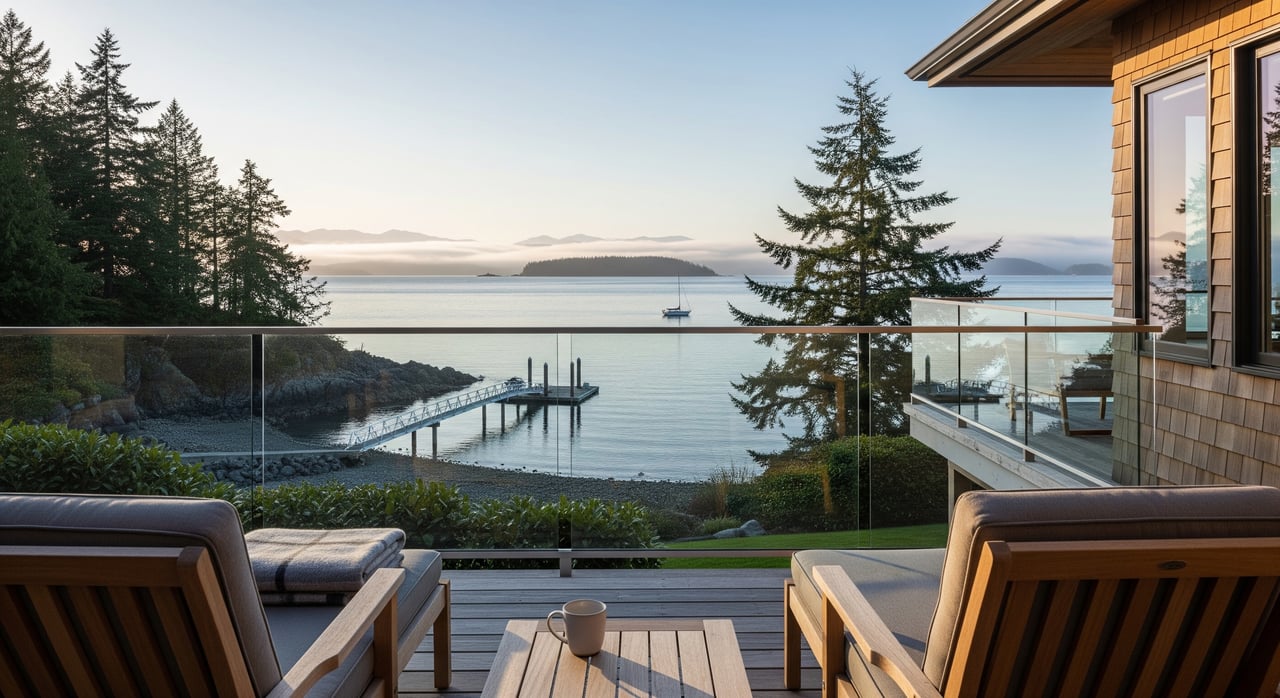
Could your morning start with a harbor walk, a forest trail, or a quick paddle before work? In Anacortes, that is a normal choice. You get the pace of a small island city, with daily life shaped by water, trails, and a compact downtown. In this guide, you will learn what everyday routines look like, how neighborhoods feel, and the practical details that make life on Fidalgo Island work. Let’s dive in.
Waterfront rhythm
Life around the marinas
Boats are part of the backdrop here. You will see fishermen at dawn, paddleboarders in the bays, and sailboats setting out for the San Juan Islands. The marinas and working waterfront anchor local rhythm, from casual crabbing runs to weekend cruising. If you keep a boat, the facilities and services managed by the Port of Anacortes make access simple.
Peak seasons on the water
Water activity picks up from late spring through early fall. Summer weekends are lively with visitors heading to the islands and locals taking advantage of long daylight. Winter brings quieter docks and more variable marine conditions. Experienced boaters still get out, but most residents shift toward shore-based routines until the weather settles.
Trails and parks every day
Anacortes Community Forest Lands
The Anacortes Community Forest Lands (ACFL) shape day-to-day life. Many residents fit in a brisk loop before work, walk dogs at lunch, or meet friends for a quick trail run after dinner. The ACFL offers miles of loops, viewpoints, and biking routes that feel close to most neighborhoods. City resources for parks, trails, and access points are available through the City of Anacortes.
Beaches and the Fidalgo Bay Trail
If you want something flat and scenic, the Fidalgo Bay Trail and local beaches are easy go-tos. Families use them for walks and birdwatching, and you will often see tidepoolers at low tide. These spots stay popular year-round, even when the weather turns.
Deception Pass day trips
Deception Pass State Park sits a short drive away and is a frequent resident favorite for beach time, bridge views, and forest hikes. It is easy to add a quick sunset stop or a full-day picnic to your weekly routine. For park details and current access info, check the Deception Pass State Park page.
Downtown pace
Coffee, shops, and galleries
Downtown Anacortes is compact and walkable. You can run errands, grab coffee, browse a bookstore, and find dinner without moving your car. The scene leans local, with independent restaurants, cafes, galleries, and service businesses.
Weekends and events
Weekdays feel relaxed and practical. Summer weekends bring tourists, festivals, and more foot traffic. Expect busier sidewalks, longer waits at restaurants, and fuller parking during peak season. For a sense of what is on the calendar, the local visitor and business hub at the Anacortes Chamber of Commerce keeps an overview of events and seasonal highlights.
Neighborhood feel and fit
Downtown waterfront and Cap Sante
If you want walkability and marina views, this area offers the closest connection to daily waterfront life. You can stroll to shops, watch the sunset from the bluff, and keep a routine that rarely requires a car. It suits professionals who value easy access and retirees who like to stay close to services.
West Anacortes and ACFL edges
Neighborhoods near the ACFL feel quieter and more residential. You get quick trail access and more yard space, with a low-key suburban rhythm. Many families choose this side of town for simple access to outdoor time.
Ferry corridor and east side
Living near the ferry terminals puts you close to the gateway for the San Juans and Guemes Island. You will notice more traffic on peak travel days, especially in summer. This area works well if you commute by boat, travel to the islands often, or work in marine trades.
Outlying Fidalgo neighborhoods
Farther out, you will find subdivisions and pockets with newer homes or larger lots. Daily life here is quieter, but you will drive more for errands. These areas fit buyers who want privacy and more space.
A note on Guemes Island
Guemes sits a short ferry ride from Anacortes. The pace is slower and the ferry schedule is part of daily planning. If you want a pronounced island feel while relying on Anacortes for services, it can be a match. You can review schedule and service updates through the Skagit County Ferry.
Practical living guide
Housing and cost
Anacortes housing costs often run higher than the Skagit County average due to waterfront demand and limited shoreline. They are typically lower than major Puget Sound metros like Seattle. You will find a mix of older Craftsman and mid-century homes near downtown, waterfront condos and cottages, single-family homes near the ACFL, and small pockets of newer infill. Inventory shifts seasonally, so timing and preparation matter.
Getting around and ferries
Most residents use a car for commuting and shopping. Local bus service exists, but it is not as extensive as larger cities. If you are island-bound, the ferry schedule is part of daily life.
- Washington State Ferries: The Anacortes terminal serves the San Juan Islands. Review routes, reservation rules, and seasonal updates on the Washington State Ferries site.
- Guemes Island: The short, frequent county-run ferry links Guemes to town. Schedules and notices are posted by the Skagit County Ferry.
Plan extra time during summer weekends. Parking, boarding, and downtown traffic are all busier in high season.
Weather and seasons
Anacortes has a maritime Pacific Northwest climate. Winters are mild and wet. Summers are pleasant and relatively dry. Outdoor activity is truly year-round, but what you do shifts with weather and daylight.
- Summer: Long daylight encourages evening trail walks and water time. Expect busier marinas and downtown.
- Winter: Shorter days shift routines toward earlier outings, cozy downtown meals, and forest walks between showers.
Schools, healthcare, and services
Anacortes Public Schools serve the city, and private options are limited. Always confirm attendance boundaries and current programs with the district before you decide on a neighborhood. Everyday essentials like grocery, pharmacy, and primary care are available in town. For higher-level hospital services and more specialty care, residents commonly drive to Mount Vernon or Bellingham. For countywide health resources and advisories, check Skagit County Public Health.
Work and remote life
Local employment blends maritime services, small manufacturing, retail, tourism, and public services. Many residents commute to nearby cities for specialized roles. Remote work is common and allows buyers to prioritize lifestyle amenities like trail access, views, and proximity to the water.
Safety and environment
Anacortes has local police and fire coverage. Environmental planning matters if you are near the shoreline. Tidal flooding is not widespread in most residential areas, but you should verify site specifics for any waterfront property. Shoreline projects like docks or seawalls are subject to city and port permitting. In late summer, smoke from regional wildfires can at times affect air quality, so it is wise to monitor seasonal conditions.
Is Anacortes right for you?
If you want quick access to water, trails, and a friendly, walkable downtown, Anacortes makes daily life feel simple. You can keep a balanced routine that mixes outdoor time with a close-knit community vibe. Basic services are local, and bigger-city amenities are a short drive away.
When you are ready to compare neighborhoods or walk through homes, connect with Rob Skelton. You will get local guidance, clear preparation advice, and polished marketing if you decide to sell. Request a free home valuation or consultation.
FAQs
What is the population of Anacortes?
- According to the U.S. Census Bureau, the city has roughly 17,000 to 18,000 residents, based on the 2020 count and recent updates; see the Anacortes city profile for details.
Is Anacortes very touristy in summer?
- Yes. Summer brings ferry travelers, park visitors, and seasonal events. Expect busier parking downtown, restaurant waits, and higher demand for ferry reservations.
Can I live in Anacortes without a car?
- Partially. Downtown residents can walk to many daily needs, but most people still use a car for commuting, larger shopping trips, and medical appointments.
How do ferries impact daily life in Anacortes?
- Ferry schedules and reservations shape timing for island trips. Plan ahead during summer and check official updates on the Washington State Ferries site and the Skagit County Ferry page.
Which neighborhoods suit different lifestyles in Anacortes?
- Downtown and Cap Sante fit walkability and marina life, ACFL-adjacent areas suit trail lovers and many families, the ferry corridor works for island commuters, and outlying pockets offer more space and privacy.
How close is Anacortes to larger hospitals and big-box shopping?
- You will find everyday services in town. For higher-level hospital care and larger retail, residents often drive 20 to 60 minutes to Mount Vernon, Burlington, or Bellingham.
Where can I find official information about parks and community services?
- The City of Anacortes maintains resources for parks, trails, and community services, and the Anacortes Chamber shares event and visitor information.